
Cosmetic
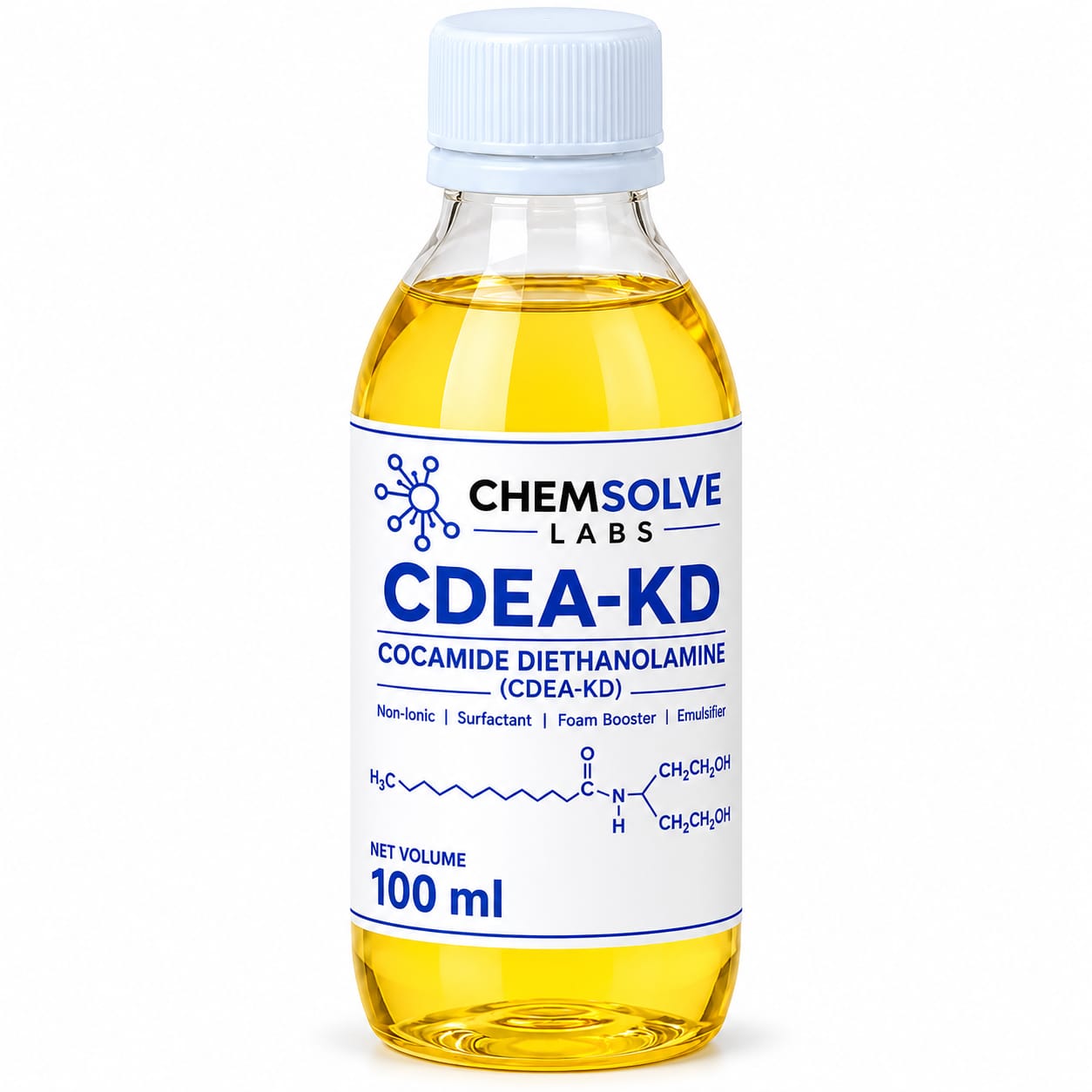
Cocamide DEA (Diethanolamine)
Cocamide DEA 85% is a nonionic surfactant derived from coconut fatty acids and diethanolamine. It is commonly used in cleansing formulations as a foam booster, foam stabilizer, and viscosity modifier.
Rs. 250
Free shipping for this size.
Information about Cocamide DEA (Diethanolamine)
About this product
Cocamide DEA 85% is a nonionic surfactant derived from coconut fatty acids and diethanolamine. It is widely used in household cleaning and personal care formulations because of its foam-boosting, foam-stabilizing, and viscosity-enhancing properties. It is commonly incorporated into shampoos, liquid hand washes, dishwashing liquids, and other detergent formulations to improve product performance and consistency. The designation “85%” refers to the supplier's specified grade or concentration and should be verified against the product's Technical Data Sheet (TDS) and Certificate of Analysis (COA).
Chemical Properties and Functions: Cocamide DEA is valued for its ability to improve the quality and stability of foam in surfactant-based formulations. When combined with primary surfactants such as Sodium Laureth Sulfate (SLES) or Linear Alkylbenzene Sulfonate (LABSA)-based systems, it can enhance lather and help produce a richer, longer-lasting foam. It also acts as a viscosity modifier, helping formulators achieve the desired thickness in liquid cleansing products. Its nonionic character allows it to work alongside many anionic and amphoteric surfactants, although compatibility and performance depend on the complete formulation.
Applications
Applications in Personal Care Products: Cocamide DEA has traditionally been used in shampoos, body washes, liquid hand soaps, and other cleansing products. In shampoos, it helps improve foam quality and can contribute to a thicker, more substantial texture. In liquid hand washes and body cleansers, it supports lather formation and helps improve the overall sensory experience. However, its suitability for cosmetic applications depends on the intended market, applicable regulations, impurity controls, and the availability of appropriate safety documentation.
You may also like
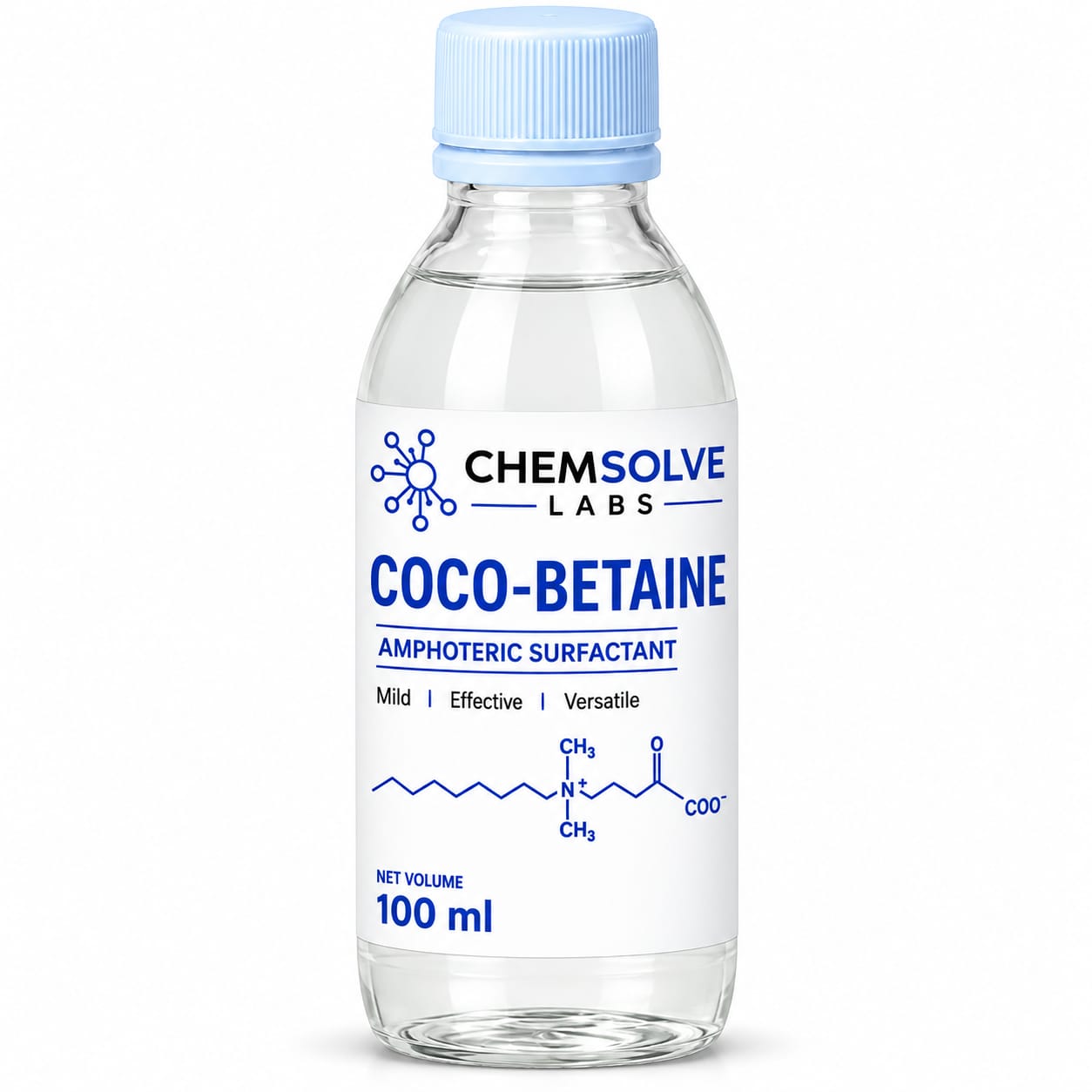
Cocamidopropyl betaine
From Rs. 250
View product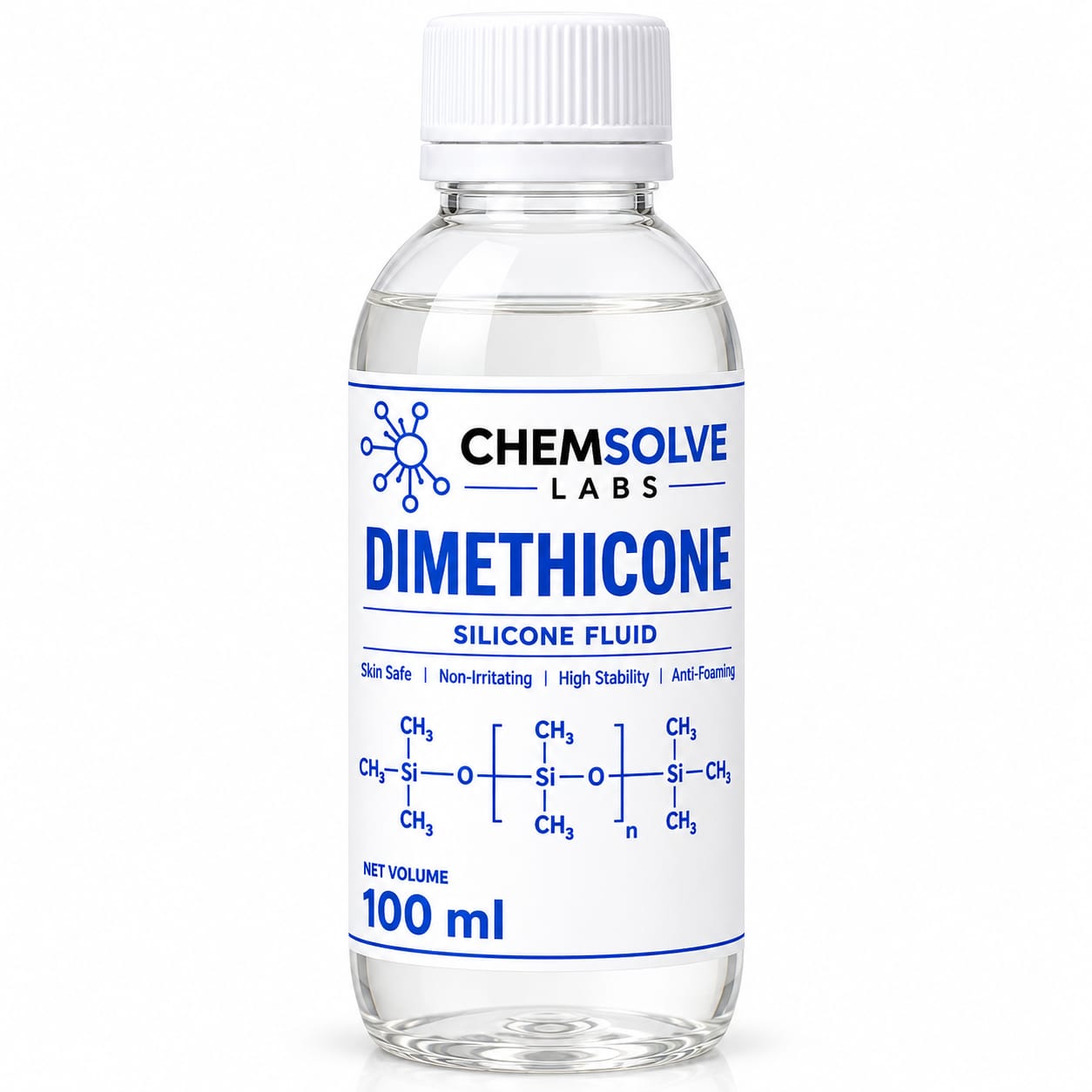
Dimethicone
From Rs. 700
View product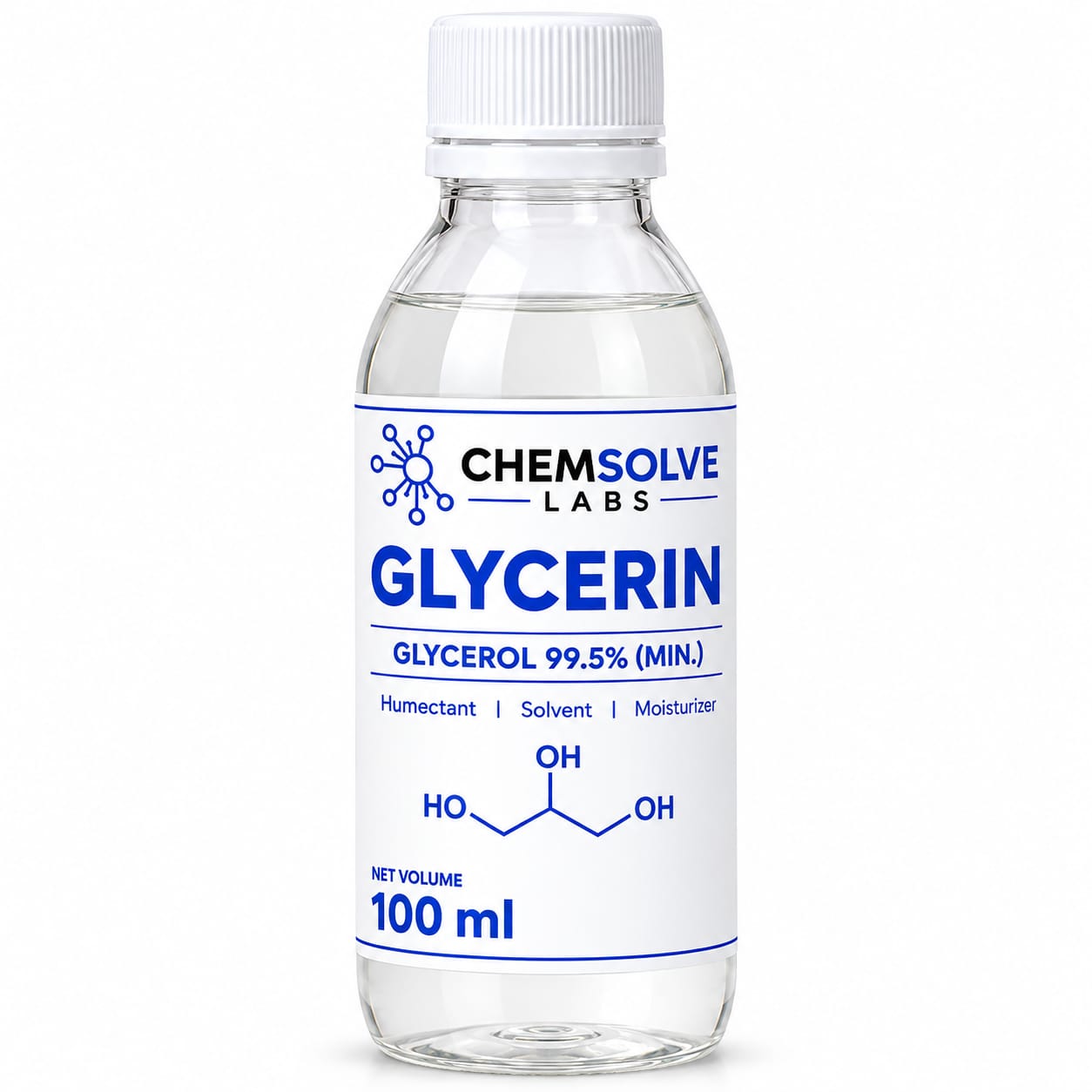
Glycerin
From Rs. 300
View product
Polyquaternium-7
From Rs. 320
View product