Blog
2026-11-12
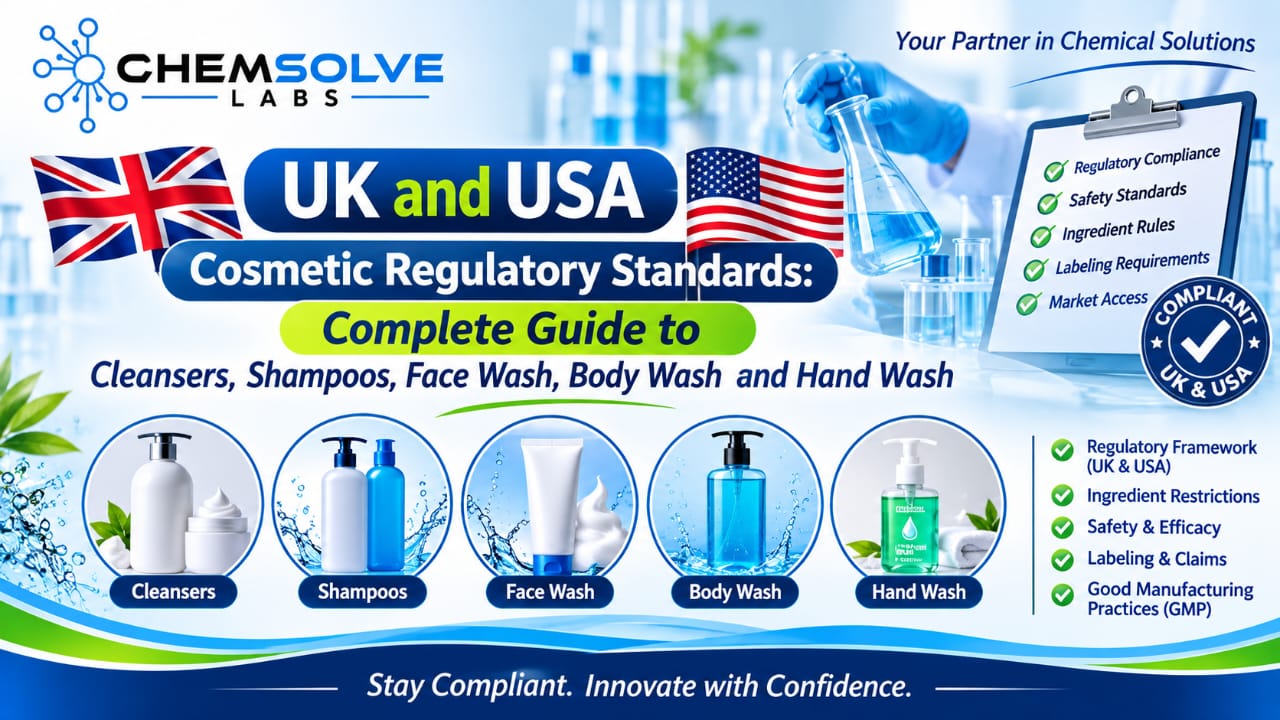
UK and USA Cosmetic Regulatory Standards: Complete Guide to Cleansers, Shampoos, Face Wash, Body Wash and Hand Wash
In Great Britain, cosmetic products must comply with UK regulations, including Responsible Person appointment, CPSR, PIF, GMP and SCPN notification. In the USA, FDA requirements under MoCRA include applicable facility registration, product listing, safety substantiation, proper labelling and serious adverse-event reporting. Both markets require safe formulations and regulatory compliance.
Read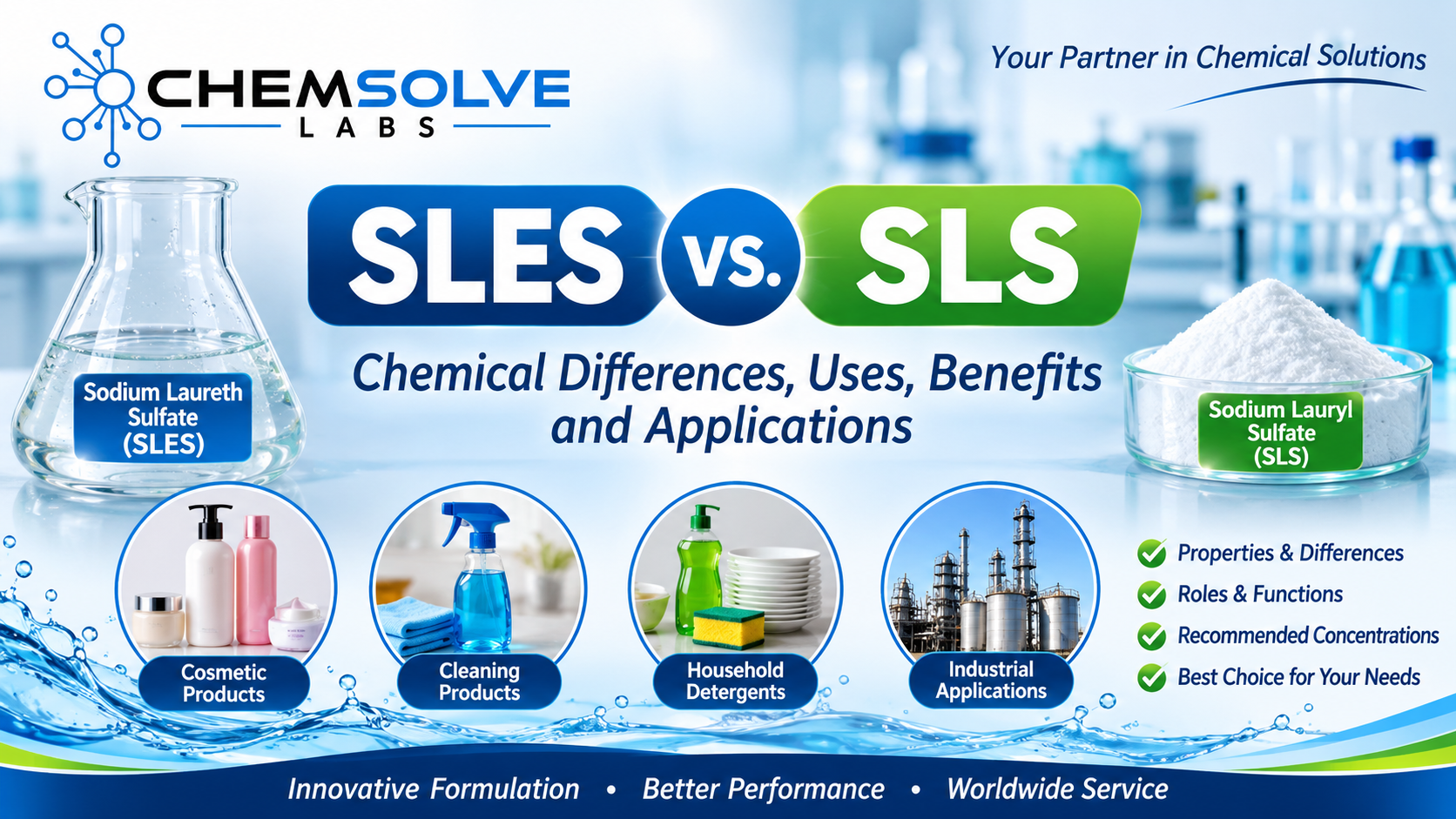
2026-11-08
SLES vs. SLS: Chemical Composition, Properties, Applications, and Industrial Uses in Cosmetics, Cleaning, and Manufacturing
Sodium Laureth Sulfate (SLES) and Sodium Lauryl Sulfate (SLS) are two of the most widely used anionic surfactants in the cosmetic, household cleaning, detergent, and industrial chemical industries. Although they belong to the same surfactant family, they have important differences in chemical structure, performance, solubility, skin compatibility, and formulation behavior.
Read
2026-10-24
Skin Irritation from Shampoo: Causes, Ingredients, and the Role of Each Ingredient
Skin irritation from shampoo can result from harsh cleansing agents, fragrance, preservatives, and individual ingredient sensitivities. Ingredients such as SLES, SLS, and Cocamidopropyl Betaine may cause irritation in susceptible individuals. Proper surfactant selection, balanced pH, suitable conditioning agents, and effective preservation are essential for developing gentle shampoos.
Read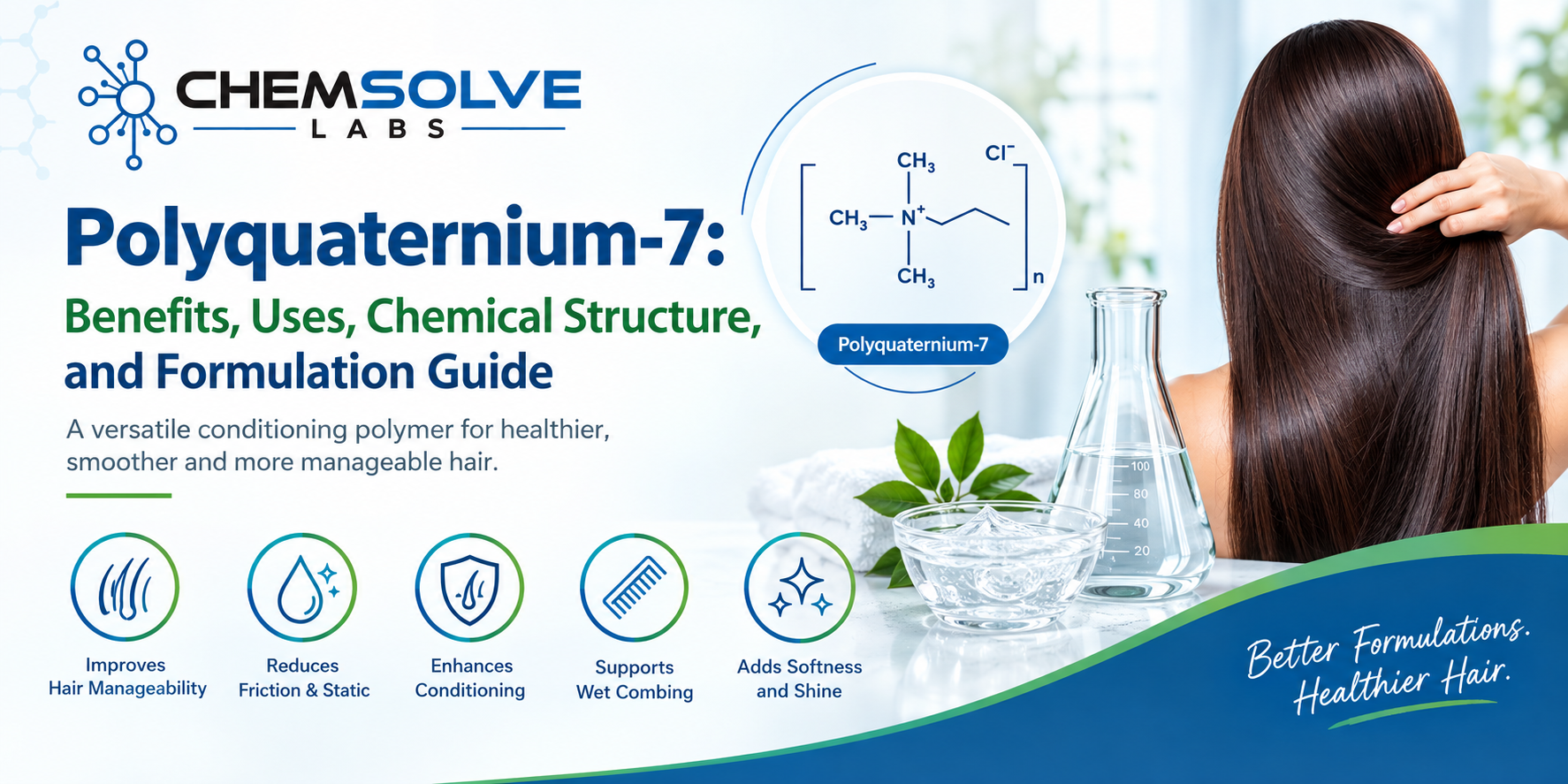
2026-10-23
Polyquaternium-7: Benefits, Uses, Chemical Structure, and Formulation Guide
Polyquaternium-7, commonly known as PQ-7, is a water-soluble, cationic conditioning polymer widely used in cosmetic and personal care formulations. It is particularly popular in shampoos, hair conditioners, body washes, liquid soaps, shaving products, and other cleansing formulations because it improves softness, smoothness, and product sensory performance.
Read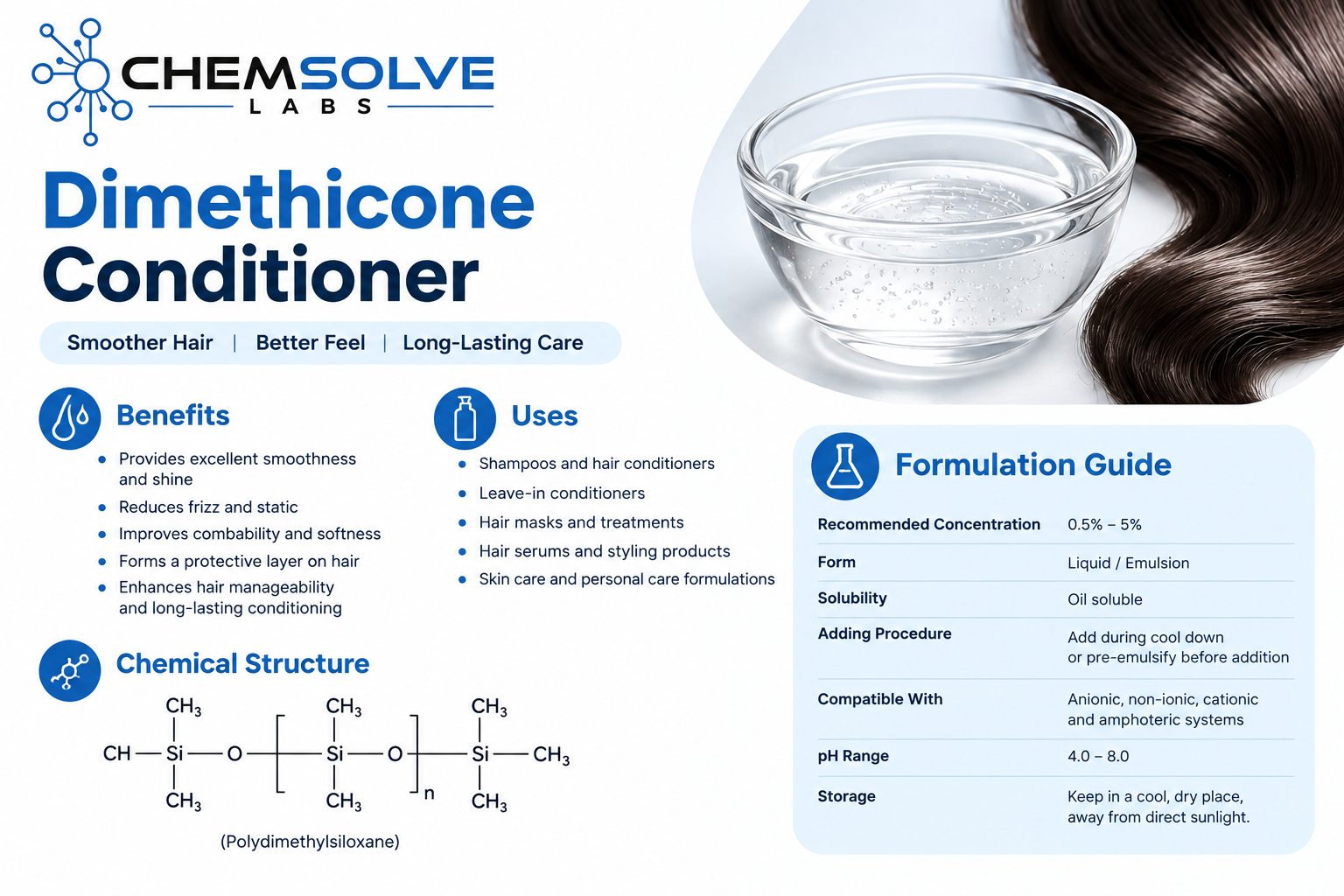
2026-10-17
Dimethicone Conditioner: Benefits, Uses, Chemical Structure, and Formulation Guide
Dimethicone is a silicone-based polymer widely used in shampoos, hair conditioners, hair masks, and serums to improve hair smoothness, softness, shine, and manageability. Its chemical structure consists of a flexible silicon–oxygen backbone with methyl groups, making it hydrophobic and water-insoluble. Dimethicone forms a lubricating film on the hair surface, helping reduce friction, improve combability, control frizz, and enhance shine.
Read
2026-10-17
How to Add Dimethicone in Cosmetic Products
In shampoos and water-based serums, a suitable silicone emulsion or dispersion is generally required to prevent separation. In hair conditioners, compatibility with cationic conditioning agents and fatty alcohols is essential for maintaining stability.
ReadContact
Ask a question
A question about an article, a detail you want to add, or related laboratory work can go to the contact page.